Private proposal for Axel Söderberg
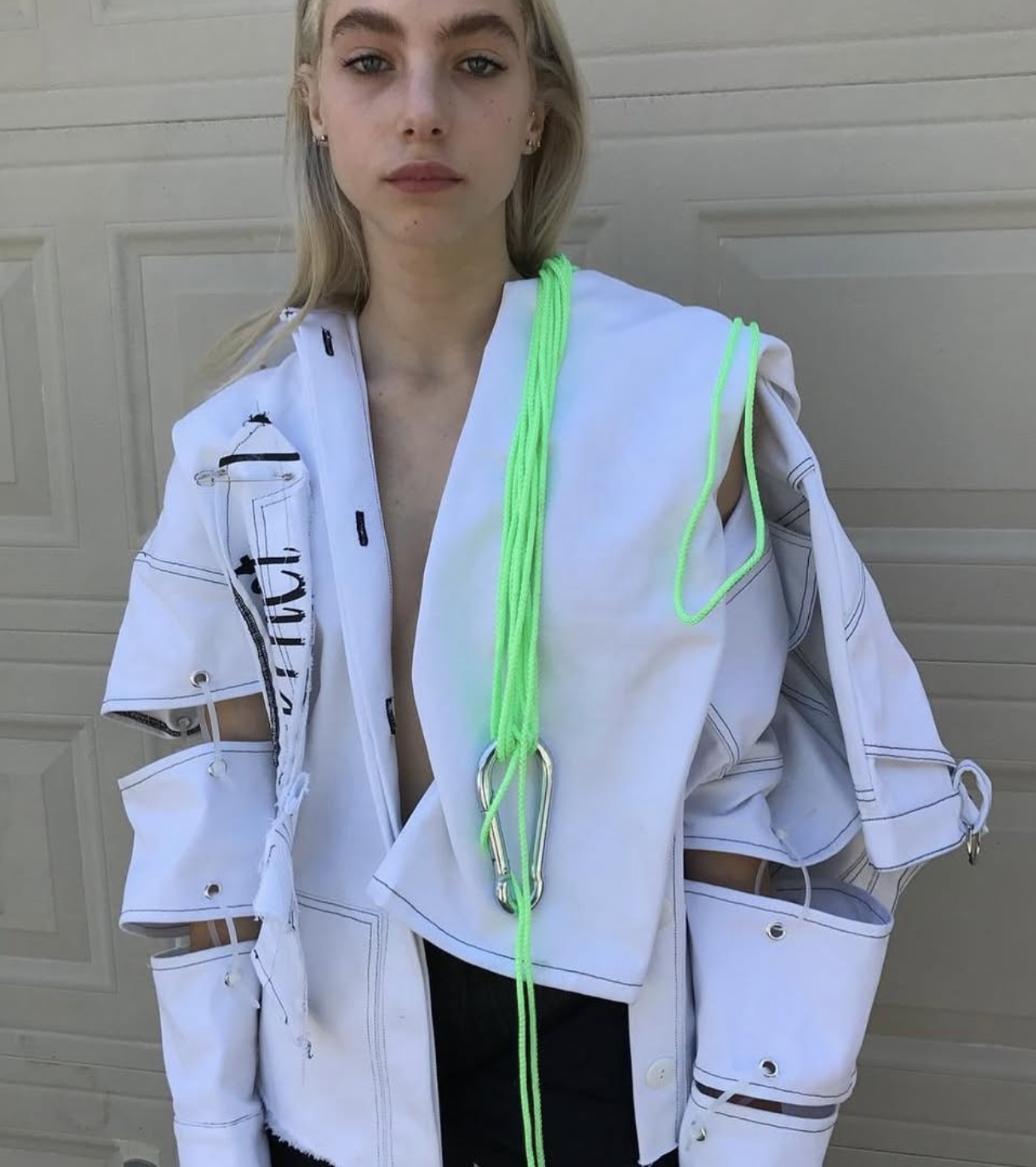
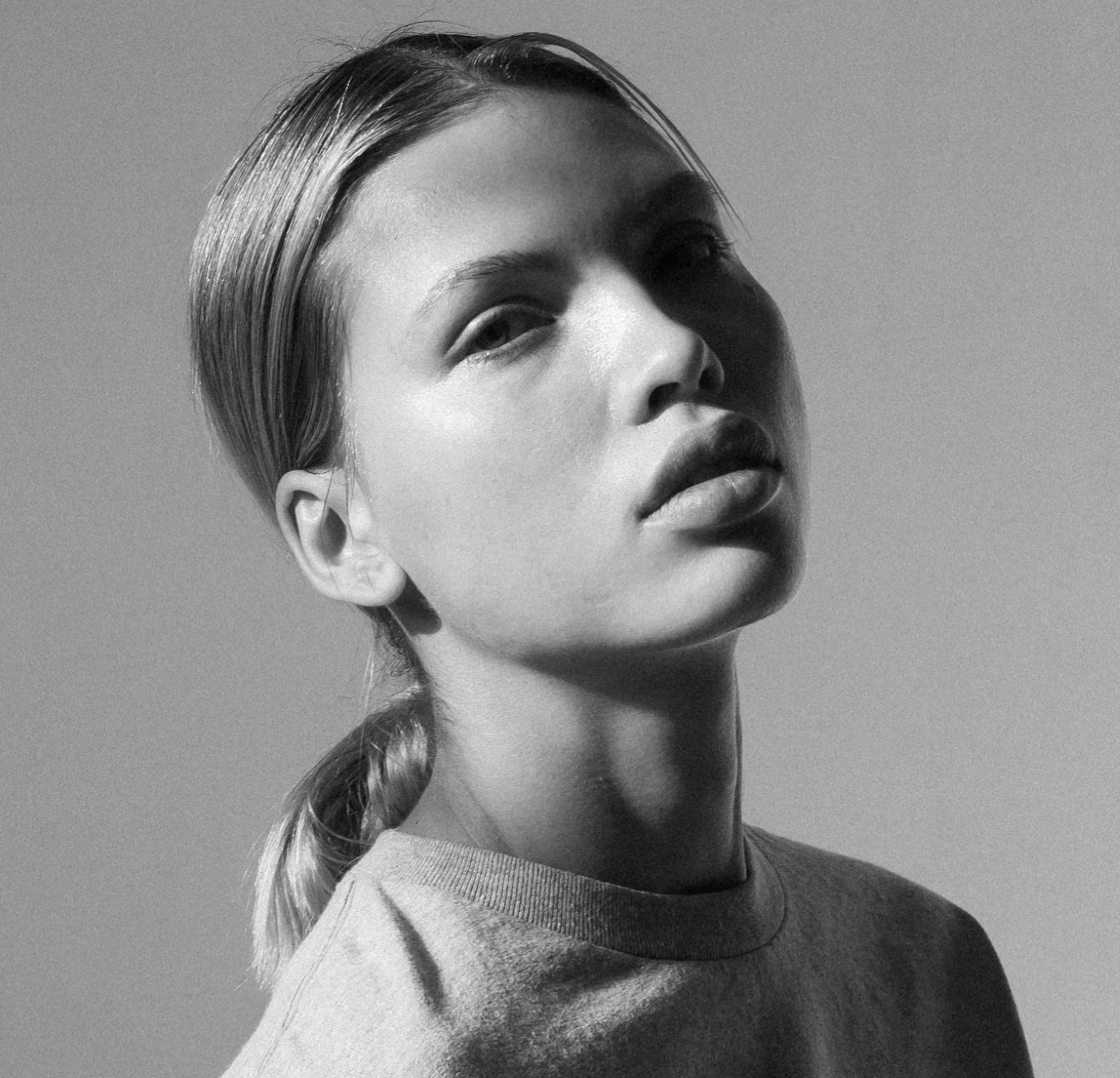
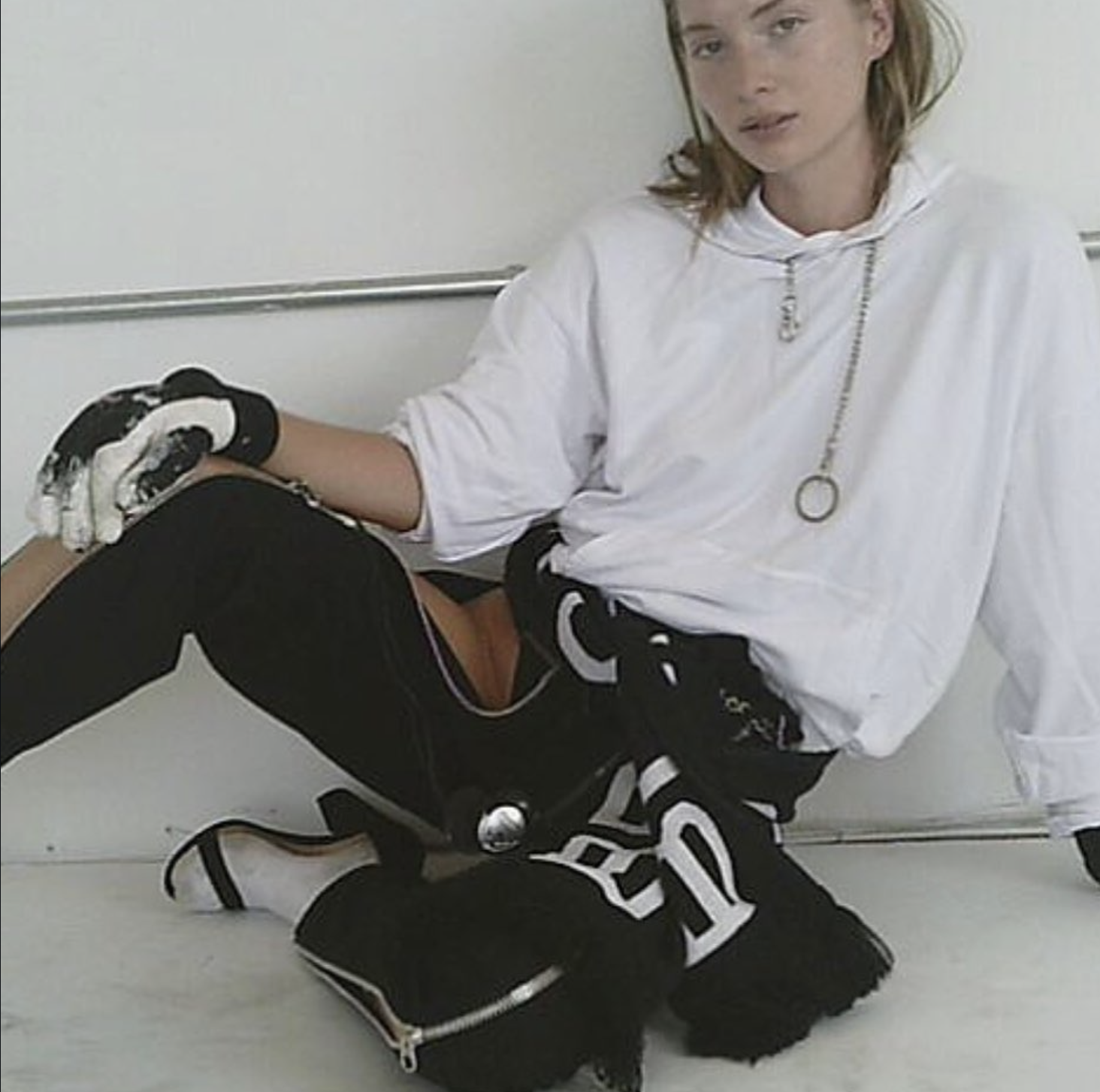
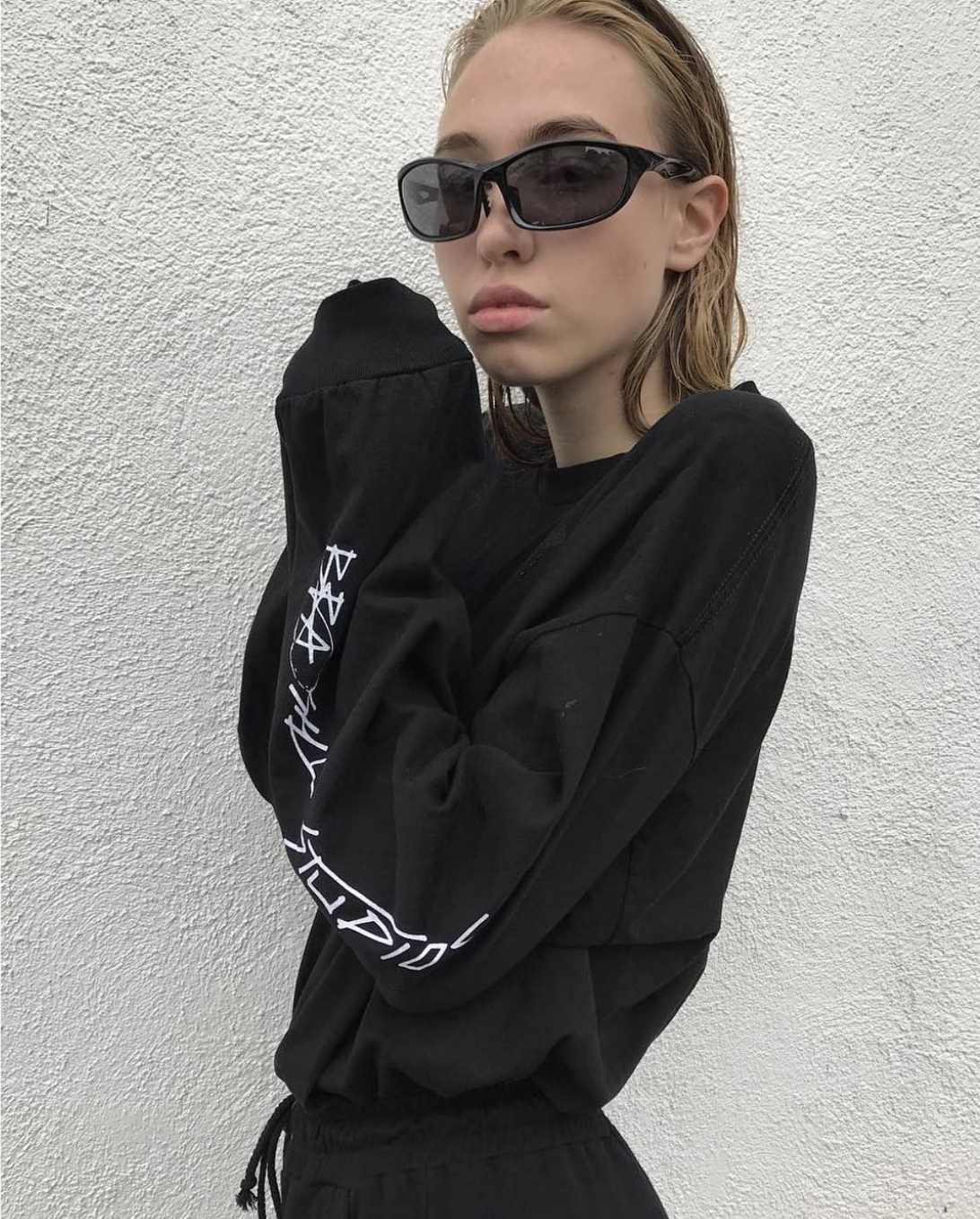
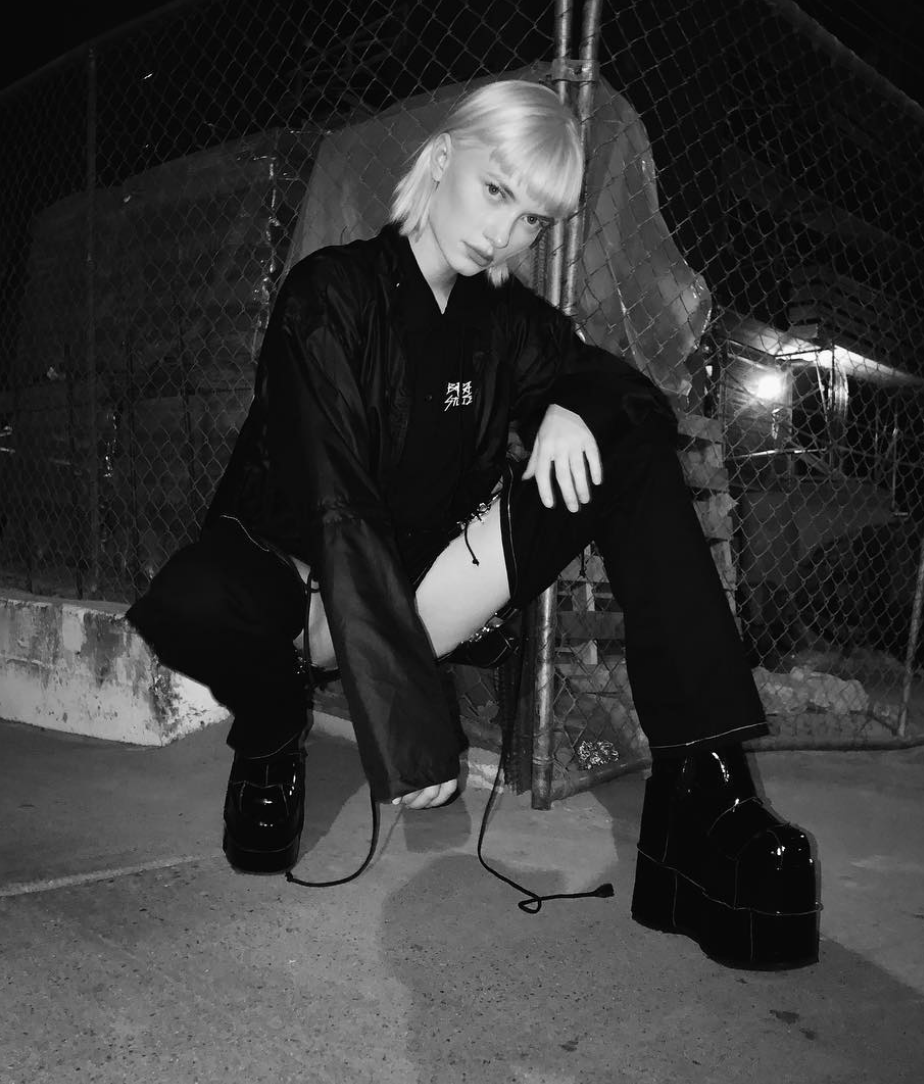
Brashy Studios was the brothers’ first world: designer streetwear for women, founded in 2011, built between Stockholm and Los Angeles, bootstrapped. The work entered the art room, the fashion room and the street room in the same few years, worn by the most-watched bodies in culture. The work travelled on its own.
“ Inspired by the past, but never stuck in it, Stockholm-born brothers Jacob Hägg and Axel Hägg combine subculture aesthetics with everything they find on the darkest corners of the web, creating retro-futuristic streetwear that’s both dissident and paranoid. It’s that marriage of pre-internet styles with a technology-based edge that makes Brashy Studios super 90’s. But distinctly now — oh, and really cool. ”
— Alexandra Weiss · BULLETTbylines · Interview / The New York Times / i-D / Dazed / Office
Eight years bootstrapped, no placement budget, no machine. And still read as native by three rooms that never share a guest list: Vogue in fashion, HypeBAE in street, the Museum of Modern Art in art.
Discovered first, distributed second.
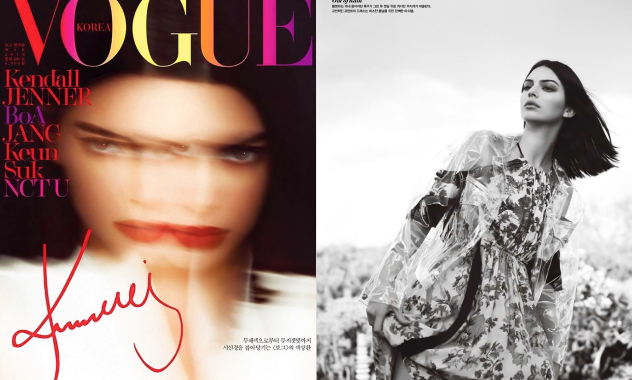
Vogue carried the work across six national editions: US, Korea, Spain, Russia, India, Australia. The moment that stands is Kendall Jenner in the Crystalline jacket, shot for Vogue Korea. Not a paid placement, not a seeded moment. The work entered fashion’s front room on a body the whole world watches.
The product left the lookbook and became public signal.
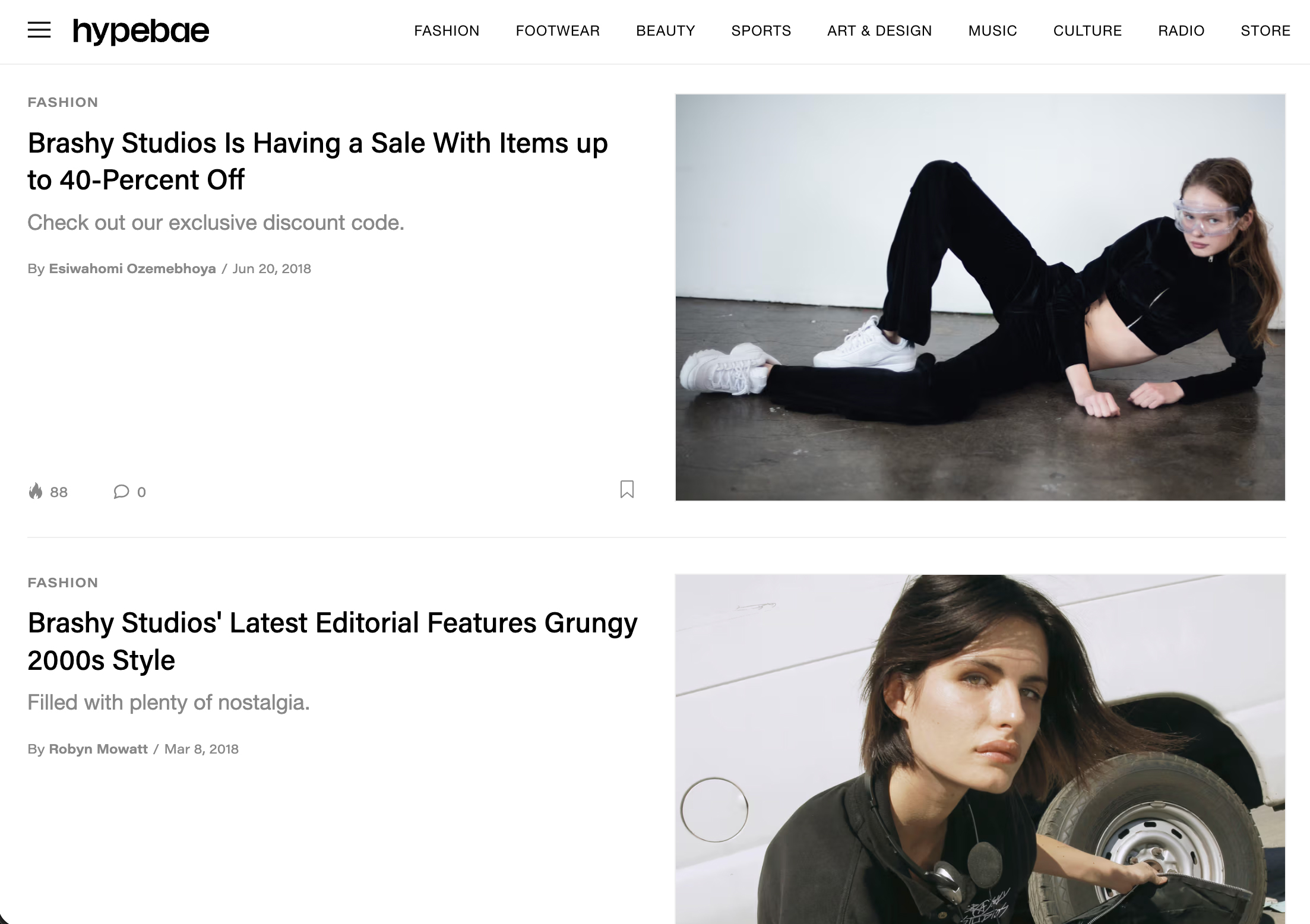
The street keeps its own record, and it is stricter than fashion’s: HypeBAE and Highsnobiety cover what the culture already believes. Both wrote about Brashy as one of their own. A women’s label, in a record that was almost entirely menswear at the time.
Written up as one of the street’s own.
A mention is one grade of belief. A feature is another. i-D produced a video special around Tommy Genesis in full Brashy looks: not one piece styled into someone else’s outfit, every frame dressed from the same small studio.
Not a mention. A feature.
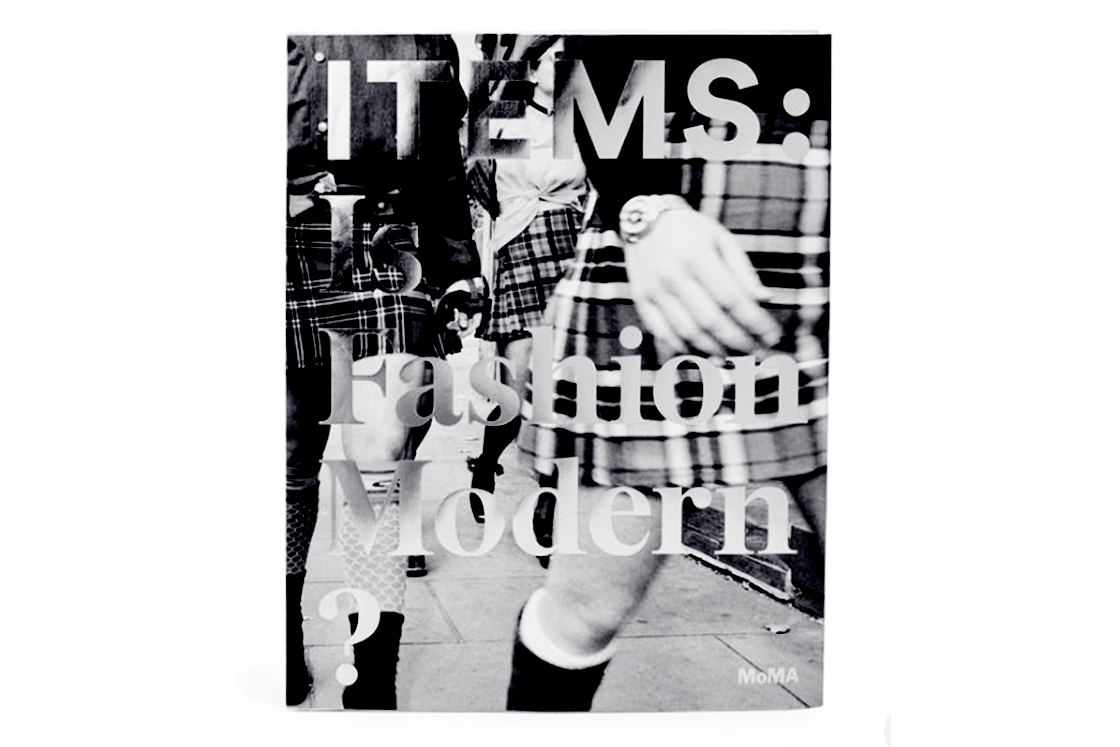
In 2017 the Museum of Modern Art staged “Items: Is Fashion Modern?”, its first fashion exhibition since 1944, a survey of the garments that shaped the modern era. Brashy Studios was in it. Museums do not take submissions. The work was selected.
The museum chose it.
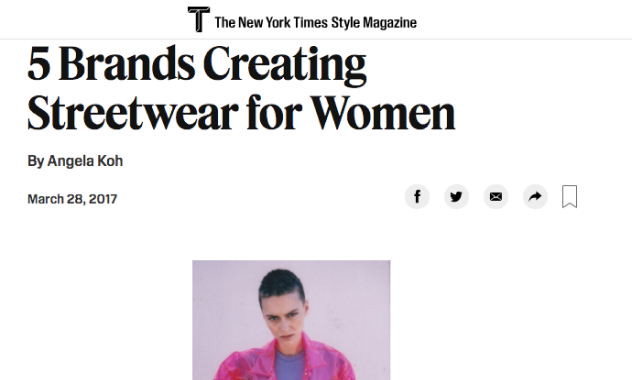
Brashy bet on streetwear for women in 2011, when streetwear was a menswear story and fashion had not yet decided it was fashion at all. Six years later The New York Times Style Magazine wrote “5 Brands Creating Streetwear for Women”, with Jacob Hägg on the record as founder. The category caught up to the bet.
The bet was placed in 2011. The record arrived in 2017.
Colette in Paris. KITH in New York. I.T in Hong Kong. Then Maison Studio, Moda Operandi, Neu!, Rails, Tom Greyhound, VFiles. The independent shelves of that era were its arbiters. They did not follow taste, they set it: stores a brand could not buy its way into, only be chosen by. Twenty-two of them, across eight countries, chose Brashy.
The doors that made brands, and every one opened from the inside.
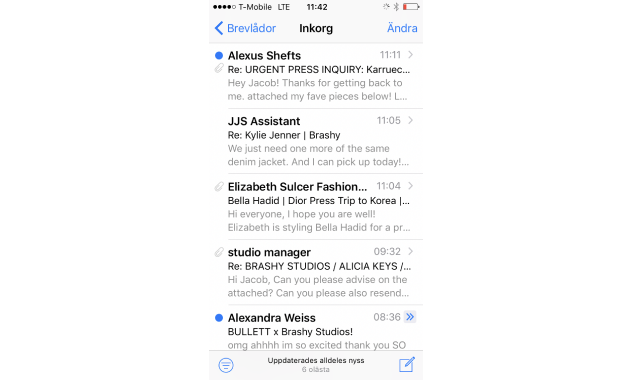
One morning, all before noon: an urgent press inquiry, Kylie Jenner’s stylist needing one more denim jacket picked up the same day, Elizabeth Sulcer pulling for Bella Hadid’s Dior press trip to Korea, an Alicia Keys request, and BULLETT writing in. Five threads, one small studio, one compressed window. The circuit had found the work before anyone was in place to receive it.
Demand lands in a cluster, before there is anyone to receive it. This time, there is.
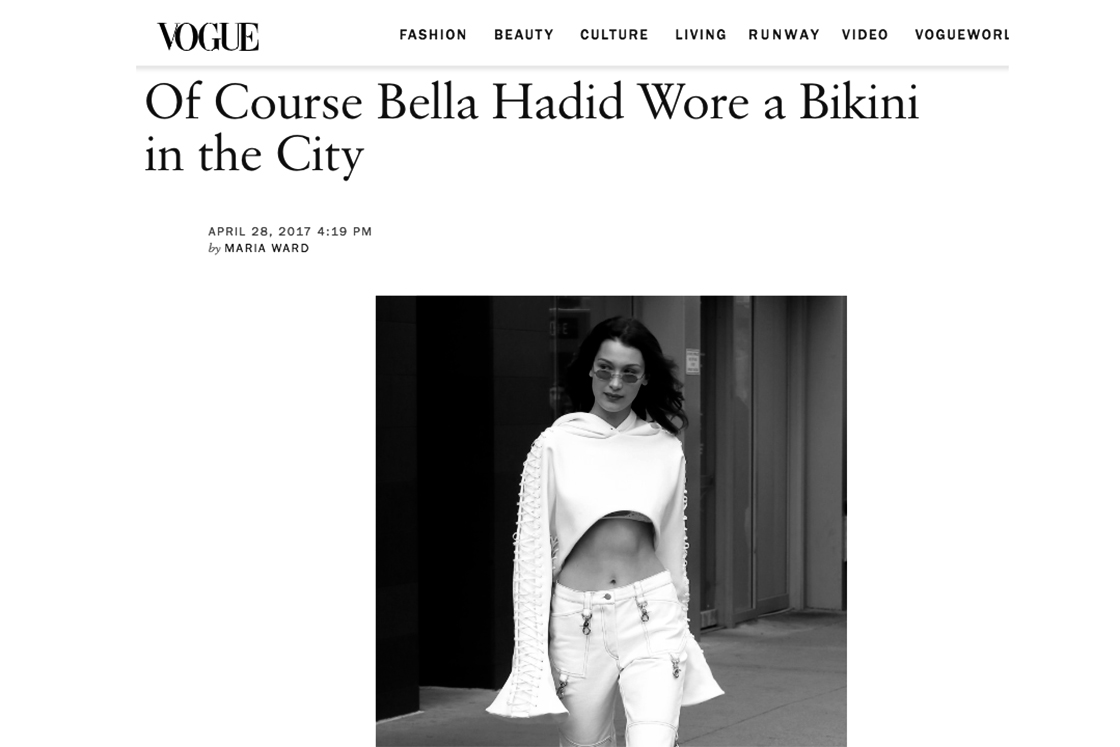
Most celebrity moments are one photograph. Bella Hadid’s ran in chapters. The Post No Bills kimono, one of the studio’s signature showpieces, carried as the statement of a styled look. Straight off the Marc Jacobs runway in 2016, dreadlocks still in, photographed in a Brashy hoodie. A full Brashy tracksuit in New York the winter after, the Gotland workwear pant that spring. Her stylist pulling pieces for Dior’s press trip to Korea.
One appearance is a placement. A wardrobe is a verdict.
Kaia Gerber, Cindy Crawford’s daughter, caught by paparazzi in a Brashy Studios bucket hat. Nothing staged: the hat left on its own and turned up on a body the world already watches.
The work entered paparazzi language before anyone paid to stage it.
Kylie Jenner landed at Coachella wearing Brashy Studios and posted it in her own Instagram story. No fee, no negotiated post: for the most-photographed weekend of the year, she chose the piece herself and pushed it to one of the largest audiences on earth. When the work is right, the most-watched people in culture do the distributing themselves.
She broadcast it herself. The post every other brand pays for.
The rail holds the moments that photographed well. The archive holds the rest: Rihanna, Billie Eilish, Charli XCX, Gigi Hadid, DAZED, Paper, Nylon, Teen Vogue. One placement is luck. A pattern this long, with no machine behind it, is a record of how culture finds work on its own.
Many such stories. The pattern is the credential.
Lineage is where the eye has already been. The Now is what is being built around it. Four ventures, one eye behind all of them: the studio that authors the image, the room that answers to no brief, the intelligence a company runs on, and the same eye off the screen and into matter. The four operate under one roof: Haegg Haegg Group.
Intelligence Matters is the studio at work: concepts, campaigns and whole visual worlds across contemporary image-making. It does not sell novelty, speed or volume. It sells the eye, the selection, the world decided before the tool starts working. This is the surface your houses would feel first.
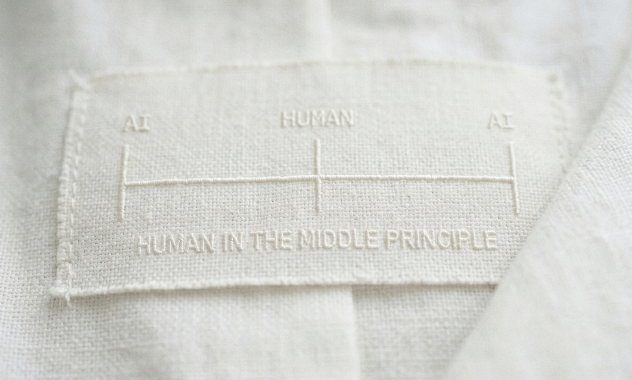
AI is the method. Authorship is the product.
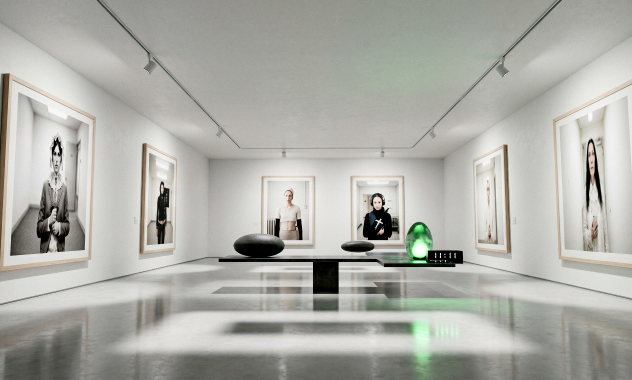
Negative Space is where Intelligence Matters keeps the work that answers to no brief: art, gallery logic, image-making that exists because it demanded to. A studio with a life outside the client work is what makes the work inside it credible. The taste comes first.
The commission meets a standard already set.
Taste, run as a system. BYOI is the intelligence a company operates on underneath everything it makes: its memory, its taste, the way it works when no one is watching. A separate studio, not a department of Intelligence Matters. Where IM authors the image, BYOI builds what lets a company’s intelligence compound instead of resetting with every project.
The image is the surface. What sits under it compounds.
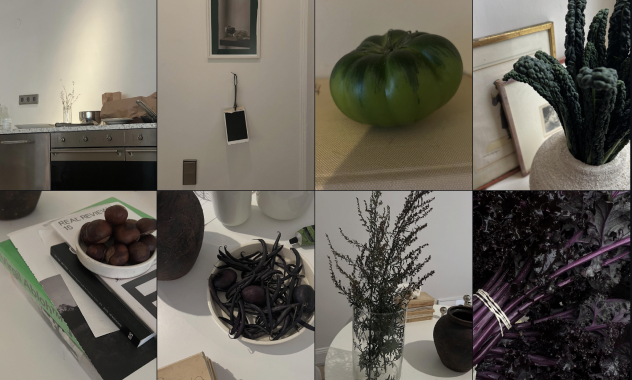
Tilth Era is the same eye, off the screen and into real matter: food, land and the objects around them. What an image gets from Intelligence Matters, a meal, a plot of ground or a made object gets here. The same authorship, in a heavier material.
The same hand that composes an image can compose a field.
Every house in the portfolio is already strong. The furniture, the spaces, the craft and the taste are finished work. The image-making is no exception: the eye, the styling and the craft are top-tier. The constraint isn’t quality. It’s what that quality costs. A finished image still means a shoot, and a shoot means a budget, a location, a crew and a calendar, so even houses this good shoot only a few times a year. The headline campaign earns that budget. Everything beneath it makes do with the leftovers, and the houses growing fastest are the ones the old method can least keep pace with.
Intelligence Matters is the production engine the houses are missing. The Bordeaux shoot still goes to Bordeaux, with margin now to wrap a story around it. Beneath that, the floor rises: the everyday output ships at headline-campaign standard, and the rehashing ends. Every surface gets imagery made for it, with new settings, new variations and new audiences the old method could never reach.
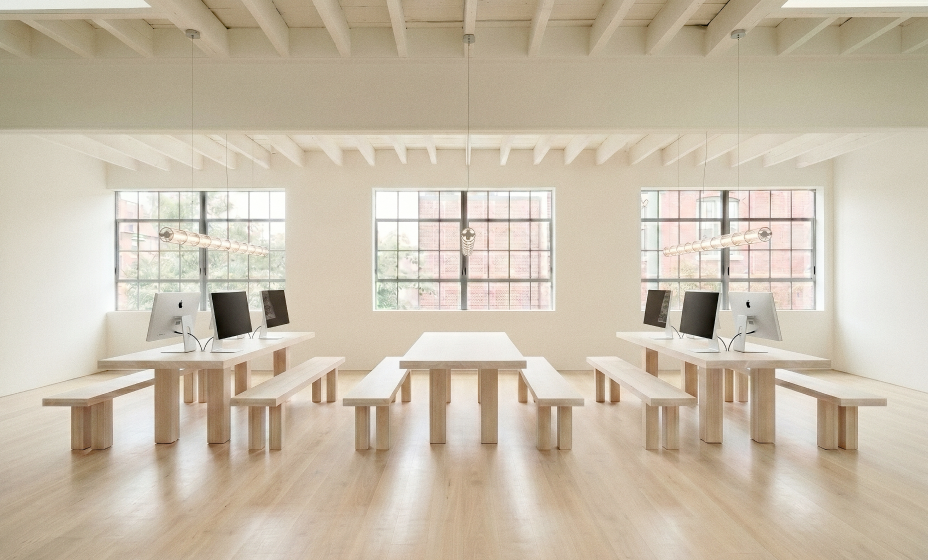
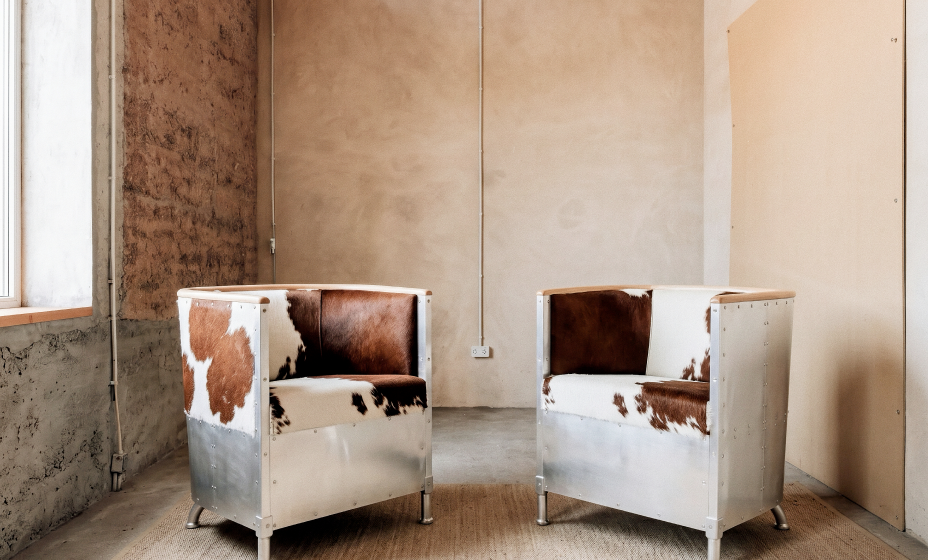
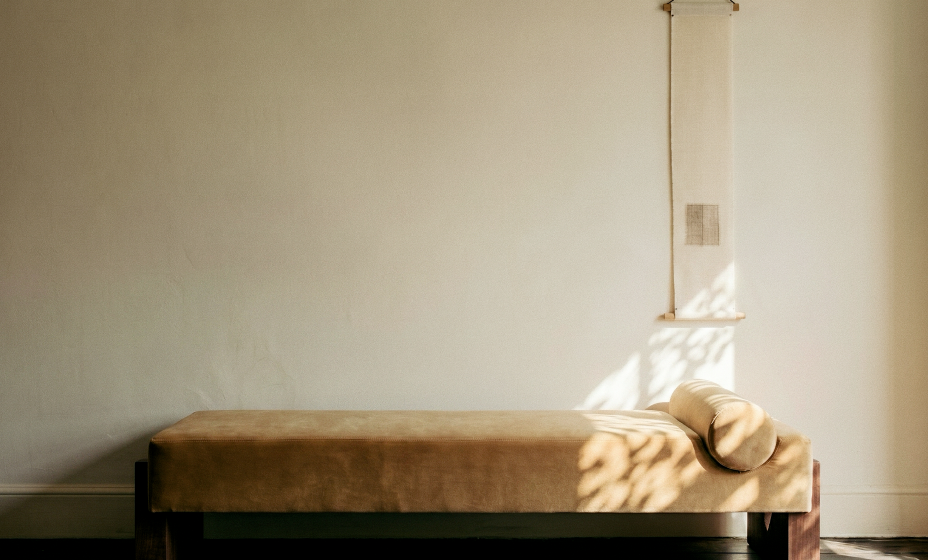
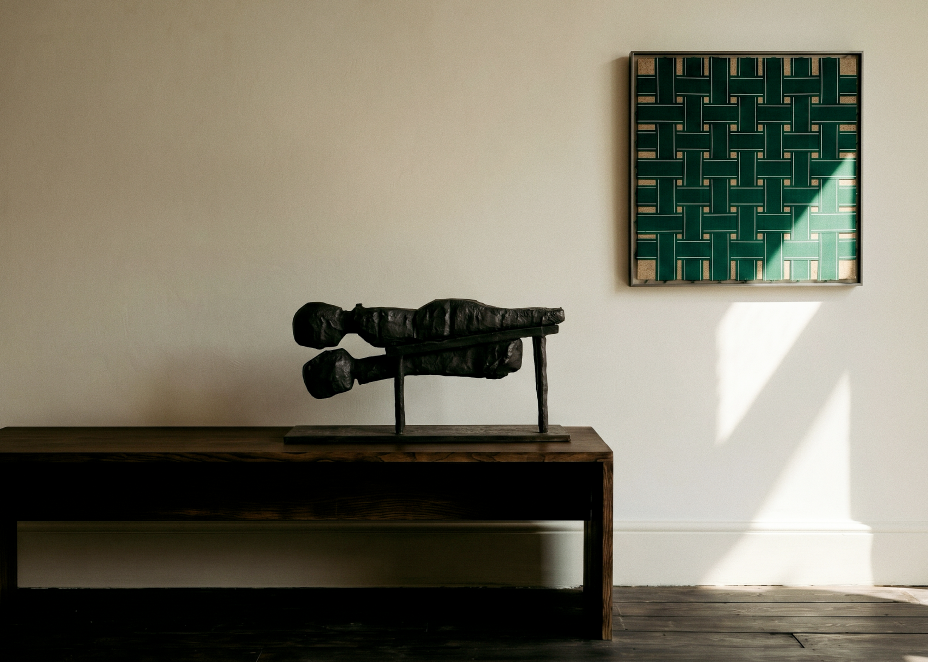
Three houses, by way of example: Yllw, Nordiska, Dusty Deco. Each shows how a brand, an archive or a catalogue becomes a room you read at a glance: one design per house, composed across more settings than a single shoot could reach. Less to read here than to see.
The desk, multiplied into the room it was made for: a showroom, an architect’s pitch, a flagship in a market the brand has not opened yet. Each built to the standard of an interiors monograph, before a single one exists. The catalogue arrives already inhabited.
The room is the render. Each new market is a room away.
A pair of Nordiska chairs at permanent-collection register: a gallery, an apartment, an archive, an editorial spread, a room that was never built. Unmistakably Nordiska in every one. The authority the house already holds, now speaking in more rooms, to more audiences, than any single shoot was ever going to reach.
The flagship becomes the cultural frame the rest of the portfolio can borrow from.
Dusty Deco’s appetite is for stranger rooms than it could ever shoot. Real pieces, dropped into interiors that sharpen and turn odder with every variation: places no location scout could find and no budget could build. And never once cut loose from the actual object. The footprint stays small. The world it lives in does not.
The piece is real. The place was never built, and the next one is stranger still.
The engine is built for your houses first. But once a finished image costs a fraction of a shoot, the world around the houses opens up too. Two examples follow: neither a plan, both now possible.
Bukowskis is where Sweden’s collectible design and fine art changes hands. Win a one-of-a-kind object at auction, set it into a full room beside your own Nordiska pieces, and resell it as exactly that: a single object that exists once, inside a world only this house could have built around it. The door opens because the styling now costs a render instead of a shoot, so every win adds another room to the brand’s world.
Win it once, build its world, sell it once. Keep the picture.
Hemnet is the portal almost every home in Sweden passes through. A client sends in their own listing and the house restyles it for them, refurnishing the real space with the portfolio while the walls and the light stay exactly theirs. It is the Yllw idea made one-to-one, and it scales only because a finished room now costs a fraction of a shoot: the house’s taste, commissioned into a single real home, one person at a time.
Their room, sent in. Returned in the house’s taste.
Every tier moves up. The everyday work carries headline weight, the catalogue widens, the showpiece finally gets the room it asks for. The portfolio stops settling.
Once the standard is set, houses with no tie to your group come to the studio and pay directly. You no longer rent a vendor for one portfolio. You hold the first position in the engine the rest of the market is trying to reach.
Intelligence Matters is an authorship-led studio across image, design and code. The vision leads, the medium follows, taste is the constant: concepts, campaigns and whole visual worlds for houses with a point of view worth protecting. It makes the artefact and the aura around it. NGLM is where the method gets proven. It is not where it ends.
Concept-led, editorial-grade image-making and creative direction. The artefact, and the aura around it.
Coded brand systems: type, colour, layout and mark, encoded into rule. Taste made executable.
The bespoke layer. When the work needs more than an image or a system, the studio builds the thing itself: an app, a workflow, an interactive gallery.
What follows isn’t the price of better images. It’s the cost of a founding position in the studio that makes them.
Two years of comfortable runway and a founding team, for 20% of the company.
Capture the conservative case, roughly a third of what NGLM already spends on creative production, and the engine runs positive inside the first year. The 25M is build and buffer, not the annual burn.
Stage 2 is an option. Once Stage 1 has the engine running, the studio opens outward, taking on houses beyond NGLM. No fixed number, no fixed date. The terms are set when that moment arrives.
The houses you hold are already read by the people who set taste, recognized on the strength of the work itself. Anchored to the studio, that recognition moves forward with you: a genuine voice in what culture becomes next, with the standing to shape the era taking shape rather than watch it arrive.
This is a door into the world building what comes next: the operators, the conversations, the rooms in San Francisco and beyond that design has only ever watched from across the floor. You walk in with a real stake, a participant rather than an admirer of it. Few people on your side of the world are ever handed that key.
Picture the figures who define technology right now. Then the ones who define taste and culture. They are almost never the same person; each world keeps its own icons and rarely trades them. Hold both and you stand where the search comes up empty: recognized by the culture, and real in the room building what comes next. Not a seat you buy. One no one has filled.
The rooms, the standing and the capital, from your side. The craft and the production layer of the coming image culture, from ours. Together, both rooms open. Neither side holds the intersection alone.
The heritage houses have the rooms but not the tech-era operating capability. The tech-era operators have the system but not the heritage credibility. The seat between them is empty.
A meaningful minority stake, around 20%, in Intelligence Matters AB. The cultural vehicle being built between design heritage and the production layer this era requires.
Not just a share of what the studio makes, but of what it becomes. The work, the houses’ archives, the taste built in along the way gather into something proprietary that grows more valuable the longer it runs. The kind of position no one can assemble after the fact.
A founding-era stake in the creative engine the rest of the luxury and design market will spend Stage 2 trying to reach.
The next chapter requires capital and capability. We’re proposing both.
Arrange a private conversation